Service Capacity for EV Loads
Electrical Panel Upgrades for EV Charging in Centennial
Plenty of Centennial houses were built with 100A service and a panel full of tandem breakers, which leaves nowhere safe to add a charger. We upgrade service to 200A and clear insufficient-panel conditions for homes from Southglenn to Heritage Greens. The capacity look comes before any pricing.
Service Capacity First
When the Panel Is the Thing Standing in the Way
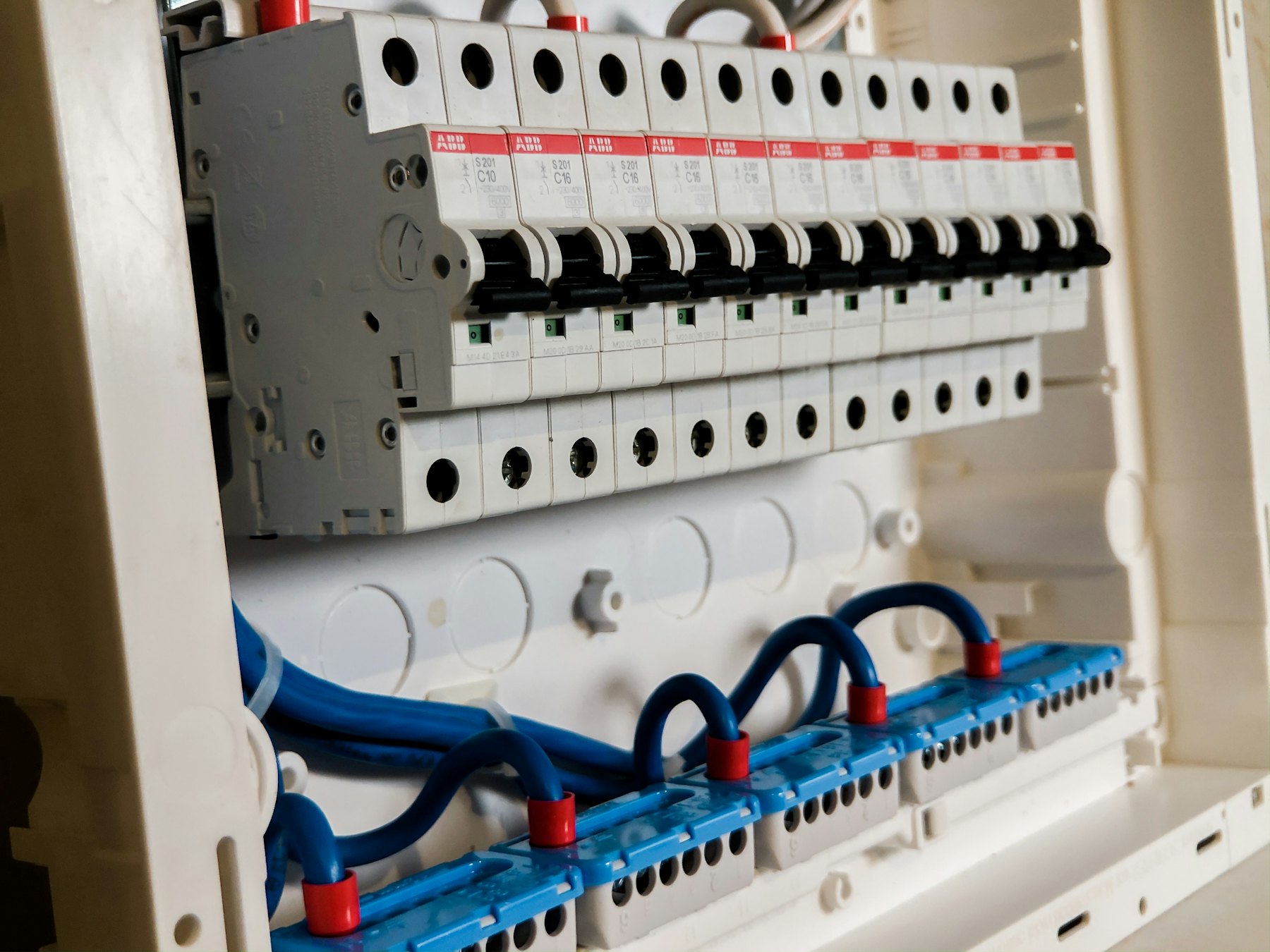
Picture a 1978 house near Cherry Knolls with a 100A main, a range, a dryer, central air and a finished basement already drawing on it. Add a 40A continuous EV load to that and the math stops working, which is exactly the point where Centennial EV Charger Installation gets called about electrical panel upgrades for EV charging. Locals usually need this upgrade when a load calculation comes back over capacity, when the panel has no remaining spaces, or when the existing equipment is one of the recalled or obsolete lines that no responsible electrician will add to. The visit starts with a full capacity look: service rating, meter and mast condition, grounding and bonding, and a demand calculation against the loads already in the house. We explain what we find before any proposal exists. Then you get flat written pricing covering the panel, the permit, and the utility coordination.
Scope of a Service and Panel Upgrade
Upgrading a service touches more than the box on the wall. These are the pieces we cover.
Full demand calculation on paper
We total the existing connected load, apply the code's demand factors and show you the result against your service rating. That document is what justifies the upgrade and what the inspector reviews.
100A to 200A service upgrade
The main breaker, load center, service conductors and meter socket are replaced as a set so the whole path is rated for the new capacity. Upgrading only the panel while leaving undersized service conductors is a half job that fails inspection.
Utility coordination and the disconnect window
We contact the utility, arrange the service disconnect and reconnect and schedule the work around their availability. Nothing for you to arrange on that front.
Mast, weatherhead and meter socket work
Overhead services on older streets around Walnut Hills often need a new mast and weatherhead to carry the larger conductors, and a corroded meter socket gets replaced rather than reused.
Grounding electrode system brought current
Ground rods, the water-pipe bond and any supplemental electrode are inspected and upgraded to the current conductor size. Older homes frequently have a single rod or a bond that was cut during a plumbing repair.
Clearing obsolete and hazardous panels
Federal Pacific Stab-Lok, Zinsco and crowded split-bus panels get removed entirely. These breakers have a documented record of failing to trip, and no EV circuit should be added to one.
Breaker space planning for the charger and the future
We leave room for the EV circuit plus the loads likely to come later, such as a heat pump, a hot tub or a second charger, so the next project does not start with another upgrade.
Full circuit transfer and labeling
Every existing branch circuit is moved to the new panel, identified and labeled on a printed directory. You end up knowing which breaker runs which room, often for the first time.
Permit, inspection and the rebate paperwork
We file the permit, meet the inspector and close the record. Where a utility rebate or federal tax credit applies to the upgrade, we help assemble the documentation. We carry it.
The Upgrade Path, Step by Step
Walk the service and run the numbers
An installer comes out, opens the panel, inspects the meter and mast, checks grounding and lists every load in the house. You get shown the demand calculation and told plainly whether capacity is the real obstacle or whether a smaller fix would do. This assessment usually runs an hour or so, and it costs you nothing.
Approval, permit and the utility date
The written proposal lays out the panel, service conductors, meter work, grounding, circuit transfer and permit as one flat price. Once approved, we pull the permit and open the request with the utility for the disconnect, which is the step that sets the calendar. We book a window as soon as their date is confirmed and keep you posted while it works through.
Changeout day and re-energizing
Power is off for most of the working day, so we tell you in advance to plan around refrigerators, home offices and anything medical. The old panel comes out, the new 200A load center and service conductors go in, circuits are transferred and labeled, grounding is completed and the utility reconnects. We verify voltage at every circuit, test the GFCI and AFCI devices, and the inspection is scheduled and attended by us.
Why Our Panel Work Holds Up
The upgrade is scoped around the charger you actually want.
Because we install across Tesla, ChargePoint, Wallbox and Enphase, we know what each unit draws and what it needs for commissioning. The panel gets sized for that charger and the loads behind it rather than a generic 200A template.
We work the utility process so you do not have to.
Service upgrades stall on paperwork and disconnect scheduling more often than on the electrical work itself. As a Colorado-licensed, bonded and insured contractor we handle that correspondence directly and keep the permit and inspection in our column.
Honest answers when an upgrade is not required.
Load management devices, circuit sharing and de-rating the charger can sometimes get you wired without touching the service. We lay those options next to the upgrade with the real tradeoffs, because the free panel read exists to find the right answer and not the biggest one.
Find Out What Your Service Can Carry
A capacity look costs nothing and answers the question for good: your panel either supports a charger circuit or it does not. We will show you the demand numbers, explain the options and put the upgrade in writing if that is what it takes.
(303) 529-8734